
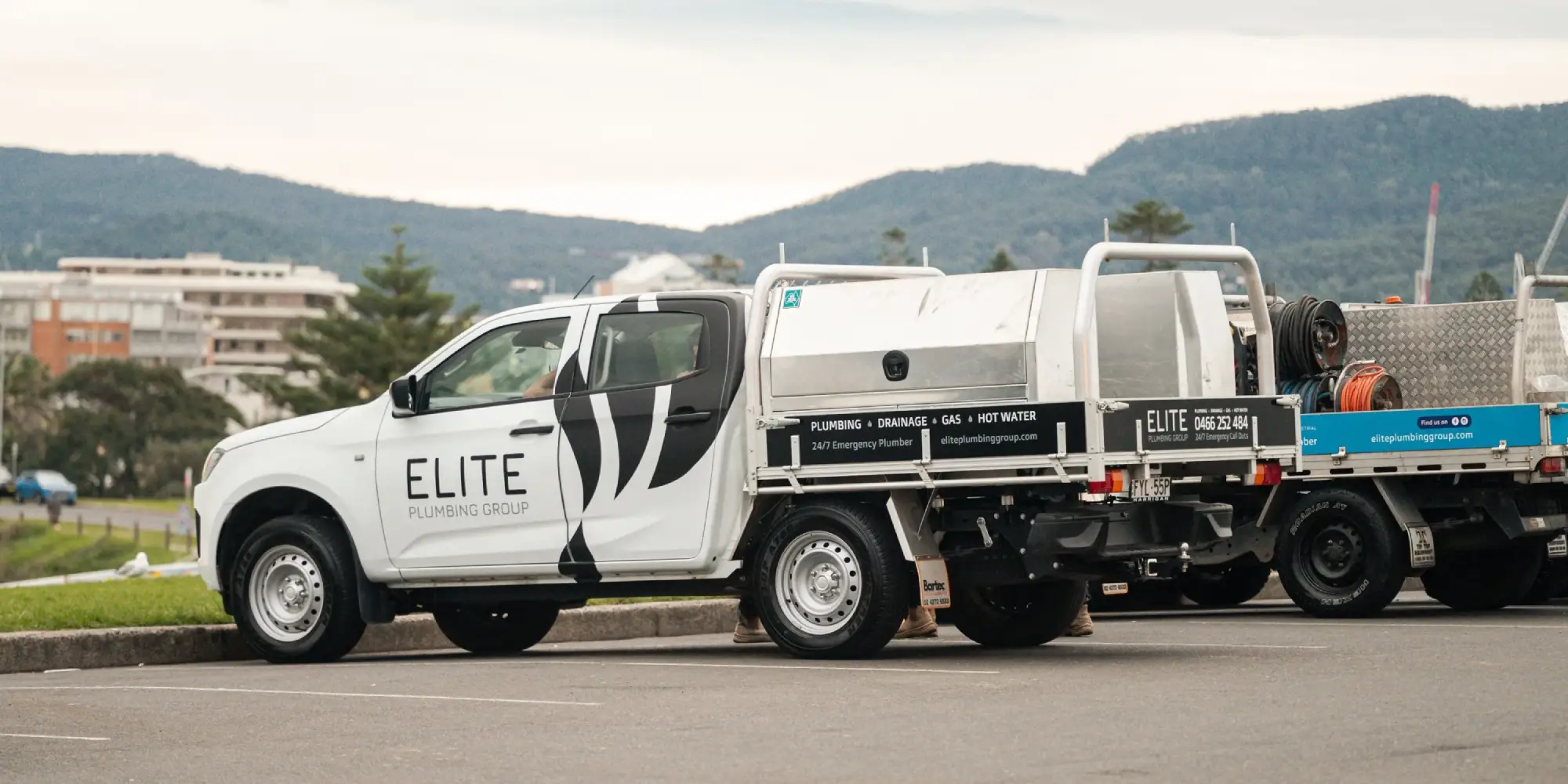
Plumbing issues rarely announce themselves at a convenient time. For homeowners across the Illawarra—from Thirroul down to Shellharbour and the heart of Wollongong—a sudden pipe failure or sewage backup can quickly turn a quiet evening into a stressful crisis. While a minor drip under the kitchen sink can usually wait until morning, major failures threaten structural damage, mold growth, and health hazards.
Knowing how to differentiate between a minor annoyance and a urgent crisis saves you time, money, and hassle. Here are 7 critical signs that indicate you need to contact professional plumbers in Wollongong right away.
1. Rapid Water Gushing or Burst Pipes
A burst pipe is the ultimate plumbing disaster. Whether caused by aging infrastructure, soil movement common along the Illawarra escarpment, or excessive pressure, high-volume leaks can flood carpet, warp timber flooring, and destroy electrical systems in minutes.
-
Immediate Action: Locate your main water shut-off valve immediately to stop the flow, then call an emergency plumber in Wollongong to isolate and repair the damaged section.
2. Sewage Backing Up into Drains
Sewer line backups are serious biohazards. If wastewater starts bubbling up through your shower drain, bathtub, or ground-level floor waste when you flush the toilet, your main sewer connection is blocked. Coastal areas with mature foliage often suffer from tree root intrusion cracking subterranean pipes. Exposure to raw sewage poses significant health risks, making immediate professional clearance mandatory.
3. Complete Loss of Water Supply
If you turn on your taps and nothing comes out—and you’ve confirmed with Sydney Water that there are no regional mains outages—you are dealing with a severe supply line failure. A sudden drop in water supply across your whole property usually signals a major burst line underground on your side of the meter or a failed main control valve.
4. Water Heater Leaking or Rusted Tank
Hot water systems work hard in local coastal climates where salt air can accelerate external corrosion. If you notice pooling water beneath your continuous flow unit or storage tank, or if your hot water runs rust-colored and smells metallic, your system is failing. A leaking tank can rupture entirely, flooding garages, laundries, or internal cupboards.
| Warning Sign | Potential Cause | Urgency Level |
| Puddle under hot water tank | Tank fracture or pressure valve failure | High – Risk of major flooding |
| Soggy patches in yard | Underground main line leak | High – Risk of foundation damage |
| Strong sulfur / rotten egg smell | Gas line leak or sewer gas leak | Critical – Evacuate and call immediately |
| Gargling toilets | Blocked main stack line | Medium/High – Precursor to sewage backup |
5. Persistent Sewage or Gas Odors
Unpleasant smells indoors are more than just uncomfortable; they indicate system breaches.
-
Rotten egg / sulfur smell: Could point to a natural gas or LPG leak near gas-fitted appliances. Gas leaks carry immediate risks of fire or explosion. Evacuate the room, open windows, and seek urgent help.
-
Foul sewer gas smell: Indicates dried-out traps, cracked vent pipes, or main line blockages letting hazardous gas back into living spaces.
6. Damp Walls, Bubbling Paint, or Unexplained Water Stems
Not all severe leaks are noisy. Hidden pipe leaks within wall cavities or under concrete slabs can go unnoticed until visible structural damage appears. Look out for:
-
Bubbling or peeling paint on internal plasterboards.
-
Damp patches, dark mold spots, or swollen skirting boards.
-
The continuous sound of running water when all fixtures are turned off.
-
Unusually high water bills without an increase in household usage.
Addressing internal leaks early prevents costly structural repairs to your home’s framing and foundations.
7. Multiple Clogged Drains Simultaneously
A single clogged sink usually means a localized blockage in the trap. However, if your kitchen sink, laundry tub, and bathroom drains are all draining slowly or gurgling together, the blockage sits deep inside your home’s primary drainage network. DIY plungers won’t reach these deep obstructions; high-pressure jetting and CCTV drain camera inspections are required to clear the line safely.
What to Do While Waiting for Your Emergency Plumber?
While waiting for your plumber to arrive on-site in Wollongong:
-
Shut off the main water valve: Located near your water meter at the front boundary.
-
Turn off the power: If water is pooling near electrical outlets or appliances, switch off power at the main breaker panel.
-
Turn off gas valves: If you suspect a gas leak or hot water emergency.
-
Document the damage: Take clear photos and videos for your home insurance claims.
Don’t wait for minor warning signs to escalate into structural flooding or health risks. For reliable, local service, contacting an experienced emergency plumber in Wollongong guarantees fast response times and long-term protection for your property.