
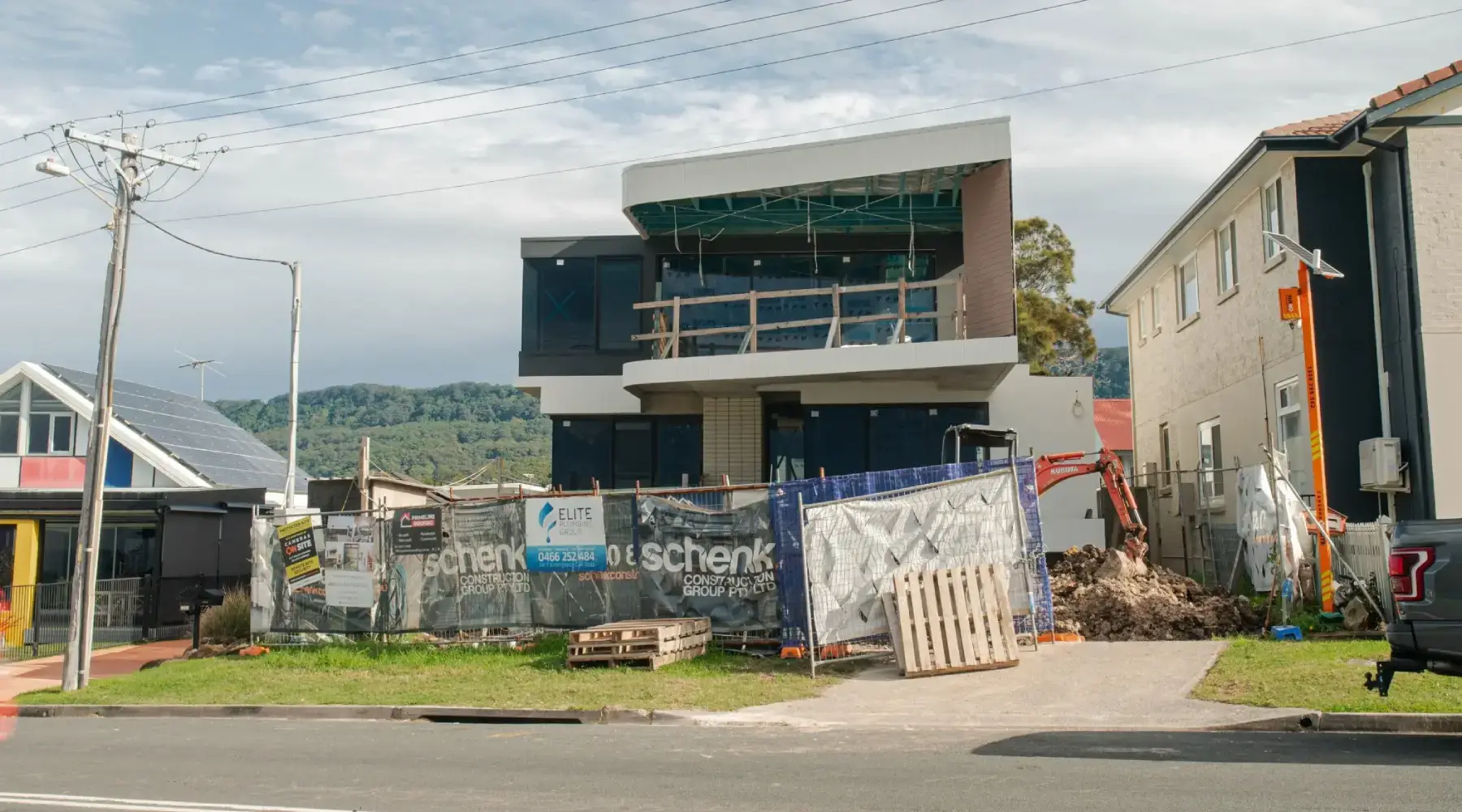
Building a new home is an exciting milestone, and a reliable plumbing system is essential for long-term comfort, safety, and efficiency. From water supply pipes to drainage systems and bathroom fixtures, every component must be installed correctly to prevent costly repairs later. Understanding New Construction Plumbing helps homeowners make informed decisions and create a plumbing system that meets their household’s needs.
For homeowners planning a new build in Wollongong, working with experienced professionals can make the installation process smoother and more reliable. Here is what you should know before starting your new home plumbing project.
What Is New Construction Plumbing?
New Construction Plumbing involves designing and installing a complete plumbing system in a newly built property. Unlike renovation plumbing, which modifies existing systems, new construction plumbing begins during the planning and building stages.
A professional plumbing installation typically includes:
- Water supply pipes and connections
- Drainage and wastewater systems
- Hot water systems
- Bathroom, kitchen, and laundry plumbing
- Toilets, taps, showers, and sinks
- Gas connections, where applicable
- Plumbing inspections and testing
Planning these components early helps ensure your plumbing system works efficiently and complies with applicable Australian plumbing standards and local requirements.
1. Plan Your Plumbing System Before Construction
Effective plumbing starts before the walls and floors are completed. Your plumbing layout should align with your home’s floor plan, kitchen design, bathroom locations, and laundry requirements. Discuss the placement of sinks, toilets, showers, appliances, and hot water systems with your builder and plumber. Grouping wet areas close together, where practical, may help reduce pipe lengths and installation complexity.
Early planning also allows your plumber to identify potential access issues and coordinate pipework with electrical systems, structural components, and other building services.
2. Choose Quality Pipes and Plumbing Fixtures
The materials used in your new home can affect the durability, performance, and maintenance requirements of your plumbing system. Choose suitable pipes, fittings, valves, and fixtures that meet Australian requirements and are appropriate for their intended use. Quality taps, showerheads, toilets, and hot water equipment can also improve everyday convenience and help manage water consumption.
Ask your plumber to explain the available options, expected maintenance needs, warranties, and installation requirements. Making informed choices during construction can help prevent avoidable problems after you move in.
3. Understand Plumbing Rough-In and Final Installation
New home plumbing generally takes place in stages.
- Plumbing rough-in: During this stage, plumbers install pipes, drainage lines, and other concealed components before walls, ceilings, and floors are finished.
- Testing and inspections: The plumbing system is checked at the appropriate stages to identify leaks, drainage issues, and installation problems before work progresses.
- Final fit-off: Once the relevant building finishes are complete, plumbers install visible fixtures such as taps, toilets, sinks, and showers, then test their operation.
Coordinating these stages with your builder helps reduce delays and makes it easier to access concealed pipework before it is covered.
4. Prioritise Water Efficiency and Hot Water Performance
A well-designed plumbing system can help your household use water more efficiently without sacrificing comfort. Consider water-efficient taps, showerheads, and toilets that suit your needs. Discuss the right hot water system for your household size, available energy sources, installation space, and expected usage. Pipe sizing and layout also matter. Proper design helps maintain suitable water pressure and supports reliable hot water delivery throughout the home.
Your plumber can recommend practical options based on your property layout, budget, and local conditions in Wollongong.
5. Work With Trusted Plumbers in Wollongong
Choosing trusted plumbers in Wollongong is an important step when building a new home. Look for appropriately licensed professionals with experience in new builds, clear communication, and a strong understanding of relevant plumbing requirements.
Before work begins, confirm the scope of services, project timeline, pricing, materials, and inspection arrangements. Ask how the plumbing work will be coordinated with your builder and what documentation will be provided when the installation is complete. An experienced plumbing team can help identify issues early, explain important decisions, and deliver a system designed for dependable everyday use.
6. Know When You Need an Emergency Plumbing Service
Even a carefully installed plumbing system can experience unexpected problems over time. Burst pipes, significant leaks, overflowing toilets, and sudden loss of water supply may require prompt professional attention.
An emergency plumbing service can help assess urgent plumbing problems and reduce the risk of further property damage. If a leak occurs, shut off the water supply when safe to do so and keep clear of any electrical hazards. Contact a qualified plumber for advice and repairs. For new homeowners, knowing the location of the main water shut-off valve can make a real difference during an unexpected plumbing emergency.
7. Inspect and Maintain Your New Plumbing System
Once installation is complete, keep records of your plumbing work, product warranties, and maintenance recommendations. Check taps, visible pipework, toilets, and fixtures periodically for leaks or unusual changes in water pressure. Avoid pouring grease, oils, or unsuitable materials down drains. Address slow drainage and persistent dripping promptly rather than allowing minor issues to become more serious.
Routine maintenance can help preserve system performance and identify potential problems before they require extensive repairs.
Frequently Asked Questions
How early should plumbing be planned for a new home?
Plumbing should be considered during the design and planning stages, before construction begins. Early coordination helps determine pipe routes, fixture locations, drainage requirements, and hot water system placement.
How do I choose a new construction plumber in Wollongong?
Look for a licensed and experienced plumber who understands new residential construction, provides transparent quotes, communicates clearly, and follows applicable Australian plumbing requirements.
Can new construction plumbing help reduce water bills?
Yes. Suitable water-efficient fixtures, an appropriately sized hot water system, and a well-designed plumbing layout can help reduce unnecessary water and energy consumption.
When should I call an emergency plumbing service?
Contact an emergency plumber for urgent issues such as major leaks, burst pipes, serious blockages, or overflowing fixtures that risk property damage. Shut off the water supply if it is safe to do so.
Conclusion
A reliable plumbing system begins with careful planning, suitable materials, professional installation, and ongoing maintenance. By understanding each stage of New Construction Plumbing, homeowners can make better decisions and reduce the likelihood of preventable plumbing issues.
If you are planning a new build or renovation in Wollongong, Elite Plumbing Group can be a starting point for discussing your plumbing requirements. Choose experienced professionals, prioritise quality workmanship, and keep emergency plumbing contacts readily available to help protect your home for years to come.