
Choosing between a gas and electric hot water system is an important decision for homeowners. The right system can improve energy efficiency, reduce utility bills and provide a reliable hot water supply for your household. However, with different technologies, installation requirements and running costs, deciding which option is best can be challenging.
If you are considering a hot water system upgrade or need professional advice, experienced plumbers Wollongong homeowners trust can help you find a solution that suits your property, budget and daily hot water requirements.
In this guide, we compare gas and electric hot water systems to help you make an informed decision.
1. Understanding Gas Hot Water Systems
Gas hot water systems use natural gas or LPG to heat water. They are available in two main types: storage systems and instantaneous systems.
Storage systems heat water inside an insulated tank, keeping it ready for use. Instantaneous systems, also known as continuous-flow systems, heat water as it passes through the unit whenever a hot tap is turned on.
Benefits of gas hot water systems:
- Continuous-flow models provide hot water without relying on a storage tank.
- Gas systems can heat water quickly.
- They can be suitable for households with high or varying hot water demands.
- Instantaneous models are generally compact and save storage space.
However, gas systems have ongoing fuel costs and produce greenhouse gas emissions. Their installation may also require suitable gas connections, ventilation and exhaust arrangements.
If you are considering a gas-powered system, consulting a qualified gas plumber Wollongong residents can rely on is essential for safe installation and ongoing maintenance.
2. Understanding Electric Hot Water Systems
Electric hot water systems use electricity to heat water. They are commonly available as storage tanks, instantaneous units and highly efficient heat pump systems.
Traditional electric storage systems use a heating element inside a tank, while instantaneous electric systems heat water as required.
Heat pump systems are another electric option. Instead of generating heat directly, they extract heat from the surrounding air and transfer it to the water.
Benefits of electric hot water systems:
- Generally straightforward installation where suitable electrical connections exist.
- Can work effectively with rooftop solar panels.
- Heat pump models offer excellent energy efficiency.
- No gas connection is required.
- A range of storage capacities is available for different household sizes.
Electric storage systems can have higher running costs when powered by standard peak-rate electricity. However, solar electricity and suitable off-peak tariffs can help reduce expenses.
3. Gas vs Electric Hot Water Systems: Key Differences
Understanding the differences can help you choose the right system for your property.
| Comparison | Gas Hot Water | Electric Hot Water |
|---|---|---|
| Energy source | Natural gas or LPG | Electricity |
| Heating method | Gas burner | Heating element or heat pump |
| Hot water supply | Storage or continuous flow | Storage or continuous flow |
| Solar compatibility | Limited | Excellent with solar PV |
| Installation | Requires suitable gas infrastructure | Requires suitable electrical infrastructure |
| Running costs | Depend on gas prices and usage | Depend on electricity tariffs and efficiency |
| Environmental impact | Uses fossil fuel | Can use renewable electricity |
There is no single option that suits every household. Your choice should consider upfront installation costs, long-term running expenses, household size and available energy sources.
4. Which System Is More Energy Efficient?
Energy efficiency is one of the most important considerations when choosing a hot water system.
Traditional electric storage systems can consume considerable electricity, particularly when heating water during peak tariff periods. Gas storage systems also experience heat losses because water is continuously maintained at a set temperature.
Modern heat pump systems are generally much more energy efficient. According to Australian Government guidance, heat pumps can use approximately 30% of the energy required by conventional electric hot water systems.
Instantaneous gas systems can also be more efficient than gas storage models because they heat water only when required.
For homeowners looking to reduce energy consumption, comparing the efficiency rating of individual models is more useful than simply comparing gas and electricity.
5. What About Installation and Maintenance Costs?
Installation costs vary depending on the system type, capacity, existing plumbing and electrical infrastructure, and any modifications required.
Gas systems may require gas pipe upgrades, appropriate ventilation and compliant connections. Electric systems may require electrical circuit upgrades or additional capacity.
Maintenance is equally important.
Common maintenance requirements include:
- Checking valves and connections for leaks.
- Inspecting the storage tank for corrosion.
- Checking heating elements or burners.
- Testing temperature and pressure controls.
- Replacing components when required.
If your system stops producing hot water, makes unusual noises or shows signs of leaking, arrange a professional inspection. Timely hot water system repair can help identify problems before they develop into more expensive damage.
6. Which Hot Water System Is Best for Wollongong Homes?
For homeowners in Wollongong and surrounding Illawarra suburbs, the best choice depends on household requirements, available energy connections and long-term operating costs.
An electric heat pump system may be worth considering if you want improved energy efficiency and have suitable installation space. Homes with rooftop solar panels may also benefit from an electric hot water system that uses surplus solar electricity.
A gas instantaneous system may suit properties with an existing gas connection where continuous-flow hot water is a priority.
Before making a decision, consider:
- How many people live in your home?
- How many showers and hot water outlets operate simultaneously?
- Do you have rooftop solar panels?
- Is natural gas or LPG available?
- What is your available installation space?
- What are the expected running and maintenance costs?
Getting professional advice from experienced local plumbers can help you avoid choosing a system that does not meet your household’s needs.
7. When Should You Call a Professional Plumber?
Whether you have a gas or electric system, professional installation and maintenance are essential for reliable performance.
Contact a qualified plumber if you notice:
- Inconsistent or insufficient hot water.
- Water leaking around the storage tank.
- Unusual noises during heating.
- Discoloured or rusty hot water.
- A system that frequently switches off.
- Unexpected increases in energy consumption.
If you suspect a gas leak, avoid operating electrical switches or ignition sources, leave the affected area and contact emergency services or your gas emergency provider from a safe location.
For installation, repairs or replacement, choose appropriately licensed professionals. Gasfitting work in NSW must be completed by suitably licensed or supervised tradespeople.
Frequently Asked Questions
1. Is gas or electric hot water cheaper to run?
It depends on local energy tariffs, household usage and system efficiency. Electric heat pumps can offer lower running costs, particularly when paired with solar panels.
2. Which hot water system lasts longer?
Lifespan depends on the model, water quality, installation and maintenance. Regular servicing can help extend the working life of both gas and electric systems.
3. Can I replace my gas hot water system with an electric one?
Yes. Many Australian homes can transition from gas to electric hot water, although electrical capacity, plumbing connections and installation space should be assessed first.
4. How do I know if my hot water system needs repair or replacement?
Frequent breakdowns, leaking tanks, inconsistent temperatures and rising operating costs may indicate that your system needs professional attention.
5. Do I need a licensed plumber to install a gas hot water system?
Yes. Gasfitting work in NSW requires the appropriate licence or supervision under NSW licensing requirements.
Choose the Right Hot Water System for Your Home
Both gas and electric hot water systems have advantages. However, modern electric heat pumps and solar-compatible systems are worth considering for homeowners looking to improve energy efficiency and reduce long-term operating costs.
The best solution depends on your household’s hot water requirements, budget and existing infrastructure.
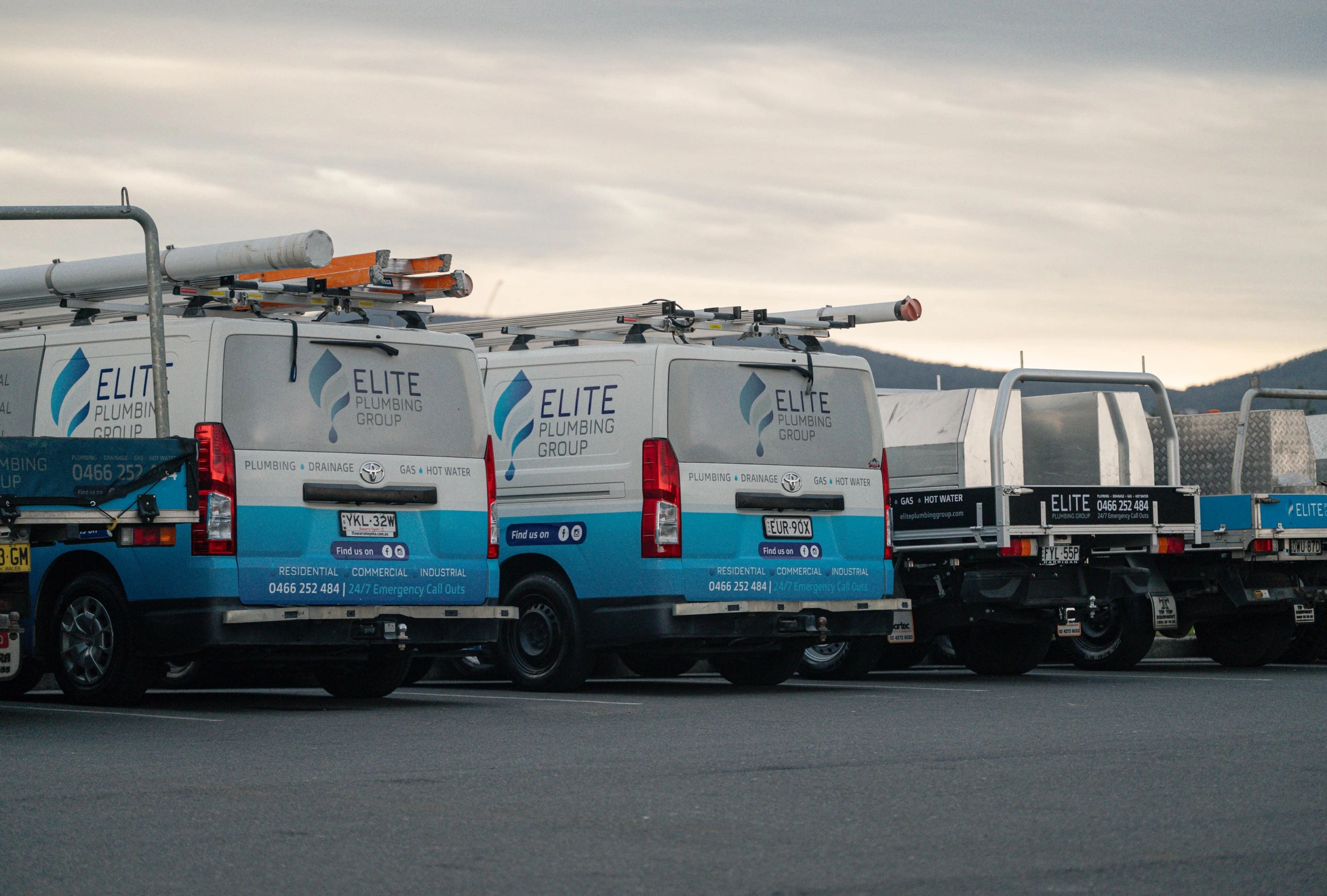
Looking for reliable plumbing assistance? Contact Elite Plumbing Group for professional advice, installation and hot water system repair. Their experienced team can help you explore suitable options for your property and keep your hot water running reliably.