
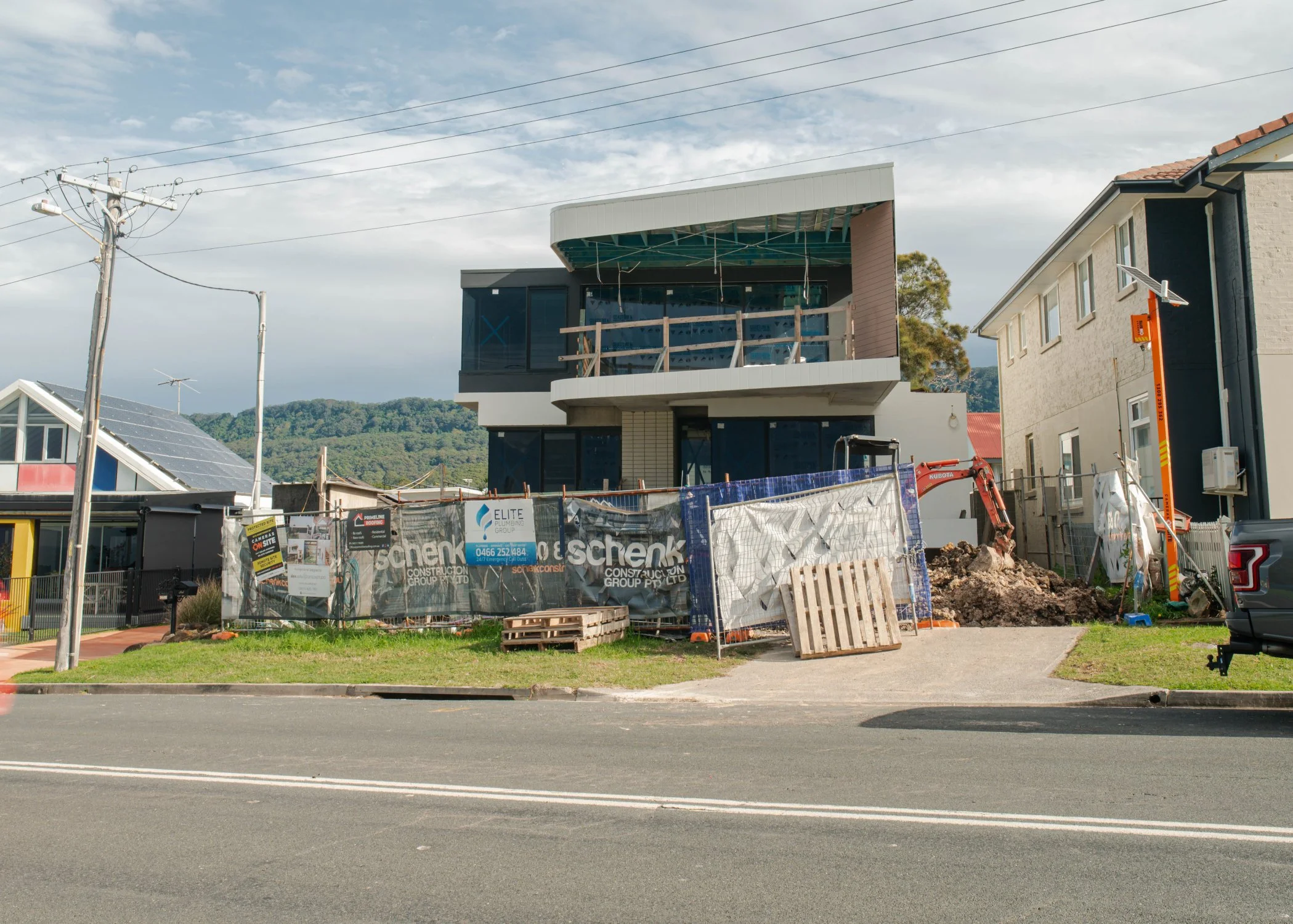
Living along the Illawarra escarpment means enjoying spectacular coastal views, but it also presents unique rainfall challenges. During heavy east coast lows, Wollongong can experience extreme surface runoff. When intense rain hits, an ill-prepared drainage system can lead to submerged lawns, flooded driveways, and structural foundation damage.
Understanding local council regulations and maintaining private drainage infrastructure is essential for local homeowners. Here is what you need to know about Wollongong stormwater rules, property compliance, and how licensed plumbers Wollongong trust keep homes safe during severe coastal rainstorms.
Quick Summary: Stormwater Responsibilities in Wollongong
| Area / Component | Responsible Party | Key Requirement |
| Roof & Gutters | Property Owner | Must channel water into downpipes connected to a legal discharge point. |
| Private Stormwater Pipes | Property Owner | Must maintain pipes up to the property boundary or council connection point. |
| On-Site Stormwater Detention (OSD) | Property Owner | Required for most new builds/additions to control runoff volume. |
| Kerb & Street Gutter | Wollongong City Council | Maintained by Council once water leaves private property boundaries. |
| Drainage Easements | Property Owner | Must keep clear of unauthorized structures, trees, or blockages. |
Who is Responsible for Stormwater Runoff in Wollongong?
Under Wollongong City Council regulations and NSW state planning laws, property owners are legally responsible for managing all stormwater runoff generated within their boundary. Water collecting on your roof, driveway, or landscaped areas must be safely directed toward an approved Legal Point of Discharge (LPOD)—typically the street kerb, underground council drainage, or a designated drainage easement.
Property owners cannot allow excess stormwater to flow freely onto neighboring properties. If an unmaintained private drain overflows or diverts water onto an adjoining site, the owner may face council compliance notices or civil liability for water damage.
Key Wollongong Council Drainage Rules & Requirements
1. On-Site Stormwater Detention (OSD) Systems
Due to Wollongong’s topography between the escarpment and the ocean, rapid water runoff can overwhelm municipal drainage networks. Council rules require On-Site Stormwater Detention (OSD) systems for most new home builds, major additions, or developments that increase hard (impervious) surfaces by more than 100 square meters. An OSD temporarily stores rainwater on-site and releases it slowly into the public system to prevent local flash flooding.
2. Legal Connection to Street Kerbs
Connecting private stormwater pipes to street kerbs or council pits requires official council permits (such as a Works in Road Reserve permit). Connections must be installed by fully licensed specialists to ensure pipe gradients and discharge limits adhere to local engineering standards.
3. Drainage Easement Maintenance
If your lot contains a registered drainage easement, you must keep the area accessible. Constructing permanent structures (like sheds, decks, or concrete slabs) or planting deep-root trees over an easement without Council approval is prohibited, as it impedes water flow and restricts maintenance access.
Common Causes of Yard Flooding During Coastal Rains
- Tree Root Intrusions: Fast-growing local tree species seek moisture inside underground PVC and earthenware pipes, causing severe cracking and blockages.
- Silt and Sand Accumulation: Coastal winds and torrential rain sweep debris, sand, and soil into yard grates, choking the drainage line.
- Cracked or Collapsed Pipes: Ground movement near the escarpment or aging infrastructure can rupture subsurface stormwater pipes.
- Undermatched System Capacity: Standard 90mm downpipe systems installed on older homes often fail to handle the volume delivered by modern, intense coastal storm events.
How Professional Plumbers Resolve Stormwater Issues
When severe weather hits, standard garden tools will not clear deep underground blockages. Engaging a certified blocked drain plumber Wollongong homeowners rely on ensures your system is inspected and restored using high-specification commercial equipment:
- CCTV Drain Camera Inspections: High-definition fiber-optic cameras are inserted into your drainage lines to pinpoint exact blockages, tree root incursions, or crushed pipes without invasive digging.
- High-Pressure Hydro-Jetting: Heavy-duty water jetters blast through dense root masses, impacted silt, and storm debris to clear pipes completely.
- Trenchless Pipe Relining: Damaged underground pipes can be rehabilitated from the inside using epoxy lining—saving driveways, gardens, and paving from disruptive excavation.
- Subsurface Drainage Installation: Installing French drains, trench drains, or pit-and-pump systems redirects groundwater away from home footings.
Emergency Plumbing Support When Storms Strike
If an unexpected downpour causes stormwater to back up into your home, garage, or subfloor, acting quickly prevents costly structural damage and mold growth. Local emergency plumbers in Wollongong offer 24/7 rapid dispatch to clear blocked mains, deploy submersible trash pumps, and install emergency surface diversion barriers.
Protect Your Property Before the Next Coastal Storm
Don’t wait for heavy rains to expose weak spots in your drainage network. Inspecting your gutters, clearing surface grates, and scheduling preventative maintenance with a licensed blocked drain plumber Wollongong expert keeps your property safe, dry, and compliant with all local council standards.